


Toronto’s real estate market continues to evolve — and so do the rules that shape it. Beginning April 1, 2026, the City of Toronto will update how it calculates the Municipal Land Transfer Tax (MLTT) on luxury residential properties. While this change won’t affect most buyers, those purchasing high-end homes — particularly properties above the $3 million threshold — may see higher closing costs if they wait too long.
At Toronto Realty Boutique, we’re always focused on empowering buyers with clarity over fear. So what’s changing, why it matters, and how buyers can plan ahead wisely?
What’s Actually Changing?
Starting April 1st, Toronto is introducing a graduated increase in the MLTT for luxury homes. Rather than a flat percentage, the tax rate will now tier up on portions of the purchase price above certain thresholds.
This means:
- Homes sold for $3 million or more will see a higher tax burden as the price rises into larger brackets.
- The tax applies at closing, not when offers are signed — so timing matters.
The goal of this shift is to modernize the tax calculation and ensure that high-end residential transactions contribute proportionally. But for today’s buyers in the luxury segment, it does mean dollars and cents at closing. (City of Toronto).
A Real-World Example: 104 Park Road
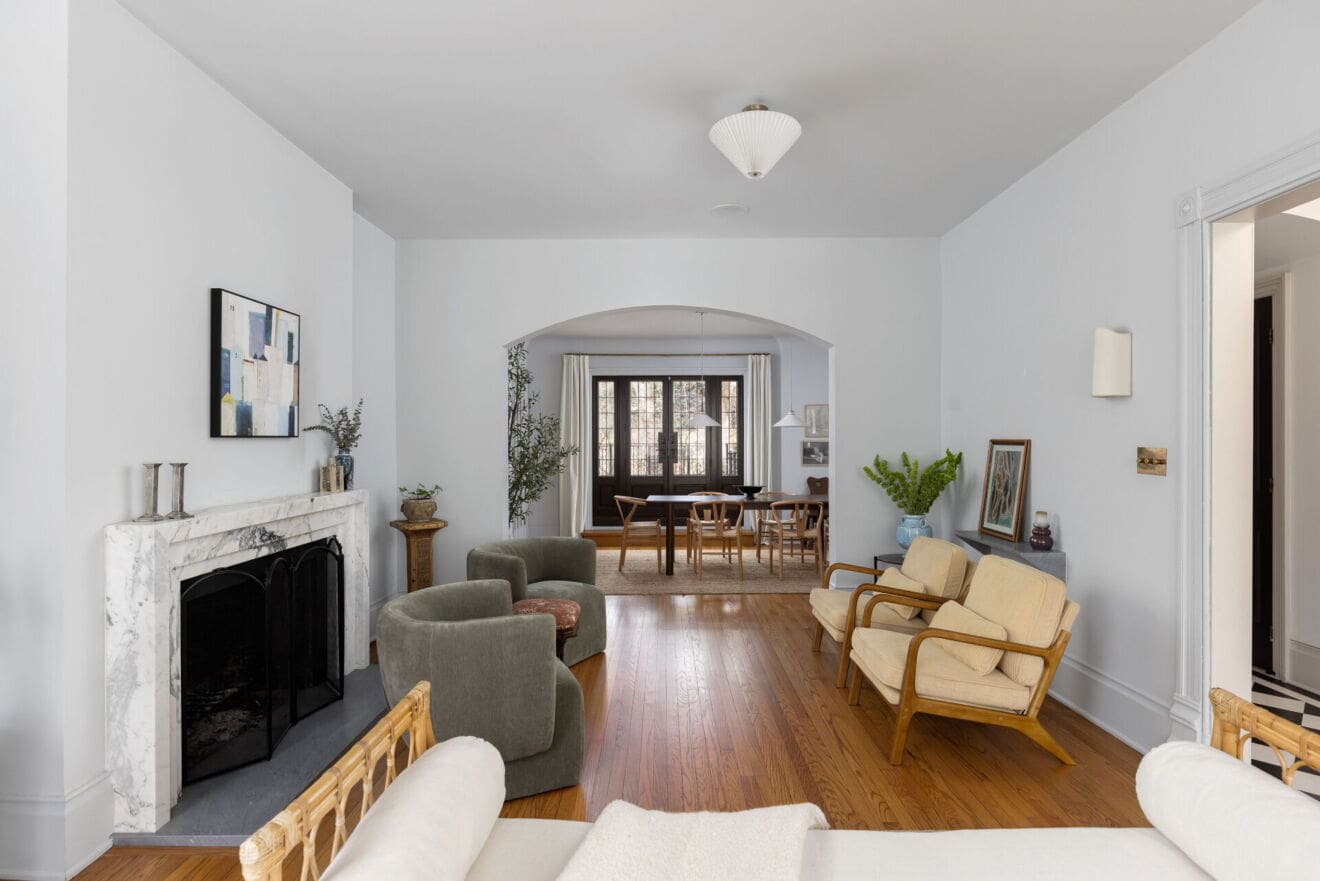
Consider our listing at 104 Park Road — a standout luxury residence in Rosedale listed at $8,950,000 with 5 bedrooms and 5 bathrooms in one of Toronto’s most coveted neighbourhoods.
Even under the current MLTT structure, buyers of homes in this price range already account for significant land transfer tax costs. With the April 1 changes, similar listings could see notable increases in total tax paid at closing when compared with purchases registered earlier in the year.
To put it simply:
- Buying before April 1 means paying today’s MLTT rates.
- Closing after April 1 on the same home could result in a larger tax bill, even if the market price stays the same.
This is not about fear — it’s about understanding the mechanics and making smarter timing decisions when acquiring a luxury home.
So Should Buyers Rush? Not Exactly.
Here’s the nuance:
• The luxury MLTT change affects a specific segment of the market — primarily homes above $3M.
• Most buyers in Toronto will not see this impact.
• For luxury buyers, the difference is meaningful — but it’s just one factor among many (financing, lifestyle fit, neighbourhood priorities, future value).
We believe in balanced decisions: timely action where it benefits you — without pressure, panic, or guessing.
Toronto Luxury Market & 2026 Outlook
Despite shifting tax rules, Toronto’s luxury market continues to demonstrate resilience. Buyers seeking long-term value, high quality of life, and neighbourhoods with deep roots — like Rosedale, Forest Hill, and Yorkville — are still active. Improvements in inventory levels and interest rate stabilization only add to buyer confidence as we move into 2026.
Rather than seeing the luxury MLTT change as a deterrent, we view it as useful context for thoughtful planning if you’re considering a premium home purchase this year.
Thinking About Luxury Homes in Toronto?
If you’re exploring higher-end properties like 104 Park Road or similar luxury listings and want help understanding how the new MLTT applies to your situation, we’re here to help.
Learn more about luxury homes in Toronto — including what to expect in today’s market, where value still exists, and how to position your purchase strategically before the April 1 changes.

TRB Education Hub
Get the real estate resources you need to succeed. Visit our education hub for market insights, guides, podcasts and more.