



It’s one of the first questions I get when I walk through a home with someone who’s thinking about selling: “What should we renovate before we list?”
Sometimes my answer is quite a lot. Sometimes it’s almost nothing. Because when you’re preparing to sell, the question isn’t really: “What would make this home nicer?”
It’s: “Where will we actually get our money back?”
Those are two very different questions.
I’ve walked through homes where spending $30,000 before listing could completely change how buyers perceive the property.
I’ve also walked through homes where the owners were preparing to spend $100,000 on renovations that I didn’t believe would materially change what a buyer was willing to pay.
That’s usually where I step in.
Because once you’re preparing to sell, you’re not really renovating the home for yourself anymore.
You’re making an investment. And like any investment, we should understand the likely return before spending the money.
Not Every Renovation Adds Value
This is probably the biggest misconception I encounter with sellers.
People assume that improving a home automatically increases its value by the amount they spend.
It doesn’t.
A $25,000 kitchen refresh that transforms how buyers perceive an entire main floor could be a fantastic investment.
A $75,000 kitchen renovation in a home where the eventual buyer is likely to renovate again anyway?
Maybe not.
The same applies to bathrooms, flooring, landscaping, built-ins and countless other projects homeowners consider before listing.
The question isn’t whether the renovation makes the property better.
Of course it probably does.
The question is whether the next buyer will value that improvement enough to justify what you spent on it.
That’s a much higher bar.
Renovating and Preparing a Home for Sale Are Not the Same Thing
This is where I think sellers sometimes underestimate presentation.
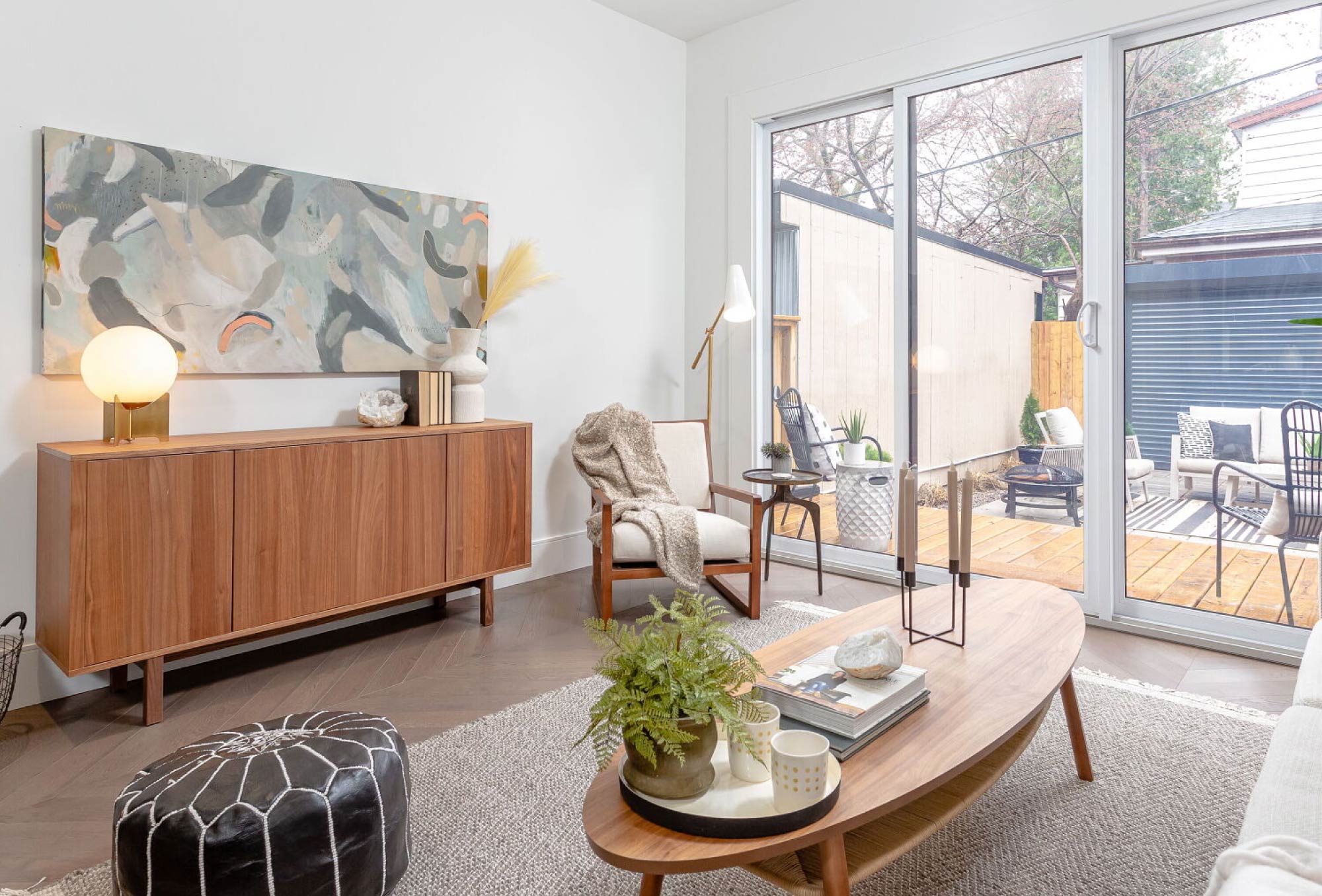
There is a huge difference between renovating a property and preparing a property properly for sale.
- Paint.
- Lighting.
- Minor repairs.
- Decluttering.
- Furniture placement.
- Staging.
- Professional photography.
None of those things sounds particularly transformative on its own.
Together, they can completely change how buyers experience a property.
And often at a fraction of the cost of a major renovation.
I’ve seen beautifully renovated homes underperform because they were poorly presented.
I’ve also seen dated homes sell exceptionally well because the seller understood exactly where to spend money—and, just as importantly, where not to.
The Price Point Changes the Strategy
I don’t believe in a universal pre-listing checklist.
The strategy for a $500,000 condo shouldn’t be the same as the strategy for a $2 million family home.
And neither should necessarily be prepared the same way as a luxury property.
Different buyers have different expectations.
At one price point, replacing dated flooring may completely change a buyer’s perception of value.
At another, the incoming buyer may be planning a substantial renovation regardless of what you do.
That’s why context matters.
Before recommending any work, I want to understand:
What will buyers expect at this price?
What will the competition look like?
Which deficiencies will buyers forgive?
And which ones will materially affect what they’re prepared to pay?
Only then can we decide where money should be spent.
Sometimes the Renovation Is Actually the Problem
There’s another side to this that homeowners don’t always consider.
Some buyers want the opportunity to renovate.
They’d rather pay less for a property and make their own decisions.
Their kitchen. Their flooring. Their finishes. Their layout.
If we spend $150,000 making those decisions on their behalf, there is absolutely no guarantee they’ll value our choices at $150,000.
They may value them at $50,000.
They may value them at nothing.
In some cases, they may walk in and immediately start calculating what it will cost to change them again.
That’s why more money spent does not automatically mean more money returned.
Where I Usually Prefer to Spend Money
If the goal is maximizing a home’s presentation before sale, I generally become much more interested in improvements that solve obvious buyer objections.
A room that feels dark.
A wall colour that makes a space feel smaller.
Lighting that dates the entire home.
Deferred maintenance that makes buyers wonder what else hasn’t been looked after.
Furniture that prevents buyers from understanding how a room should function.
Those issues can disproportionately affect perception.
And perception matters enormously in real estate.
The goal isn’t necessarily to make the property brand new.
It’s to remove the distractions that prevent buyers from seeing its value.
The Three Questions I’d Ask Before Renovating
Before spending meaningful money on a home you’re planning to sell, I’d want to answer three questions:
1. What will buyers expect at this price point?
Not what you would personally prefer. What does your actual buyer expect?
2. What problem are we trying to solve?
Every dollar should have a job. Are we improving first impressions? Eliminating an objection? Making the property photograph better? Bringing it in line with competing homes?
3. Is the likely return worth the cost, time and risk?
Renovations don’t just cost money. They take time, create uncertainty and can delay when a property reaches the market.
All of that belongs in the calculation.
My Take
If you’re thinking about selling, I would resist the temptation to start renovating before you have a strategy.
Walk through the property first with someone who understands the buyers you’re likely to attract.
Figure out what matters.
Identify what doesn’t.
Then decide where the money will have the greatest impact.
Sometimes the right answer will be a meaningful renovation.
Sometimes it will be paint, staging and great photography.
And sometimes the smartest advice I can give a seller is:
Don’t touch it.
Because preparing a home to sell isn’t about spending the most money.
It’s about spending the right money.
Recommended Reading
Many Toronto Buyers Are Still Acting Like It’s January
Most Homeowners Are Asking The Wrong Question
Why Some Toronto Condos Still Sell Instantly While Others Sit for Months

TRB Education Hub
Get the real estate resources you need to succeed. Visit our education hub for market insights, guides, podcasts and more.