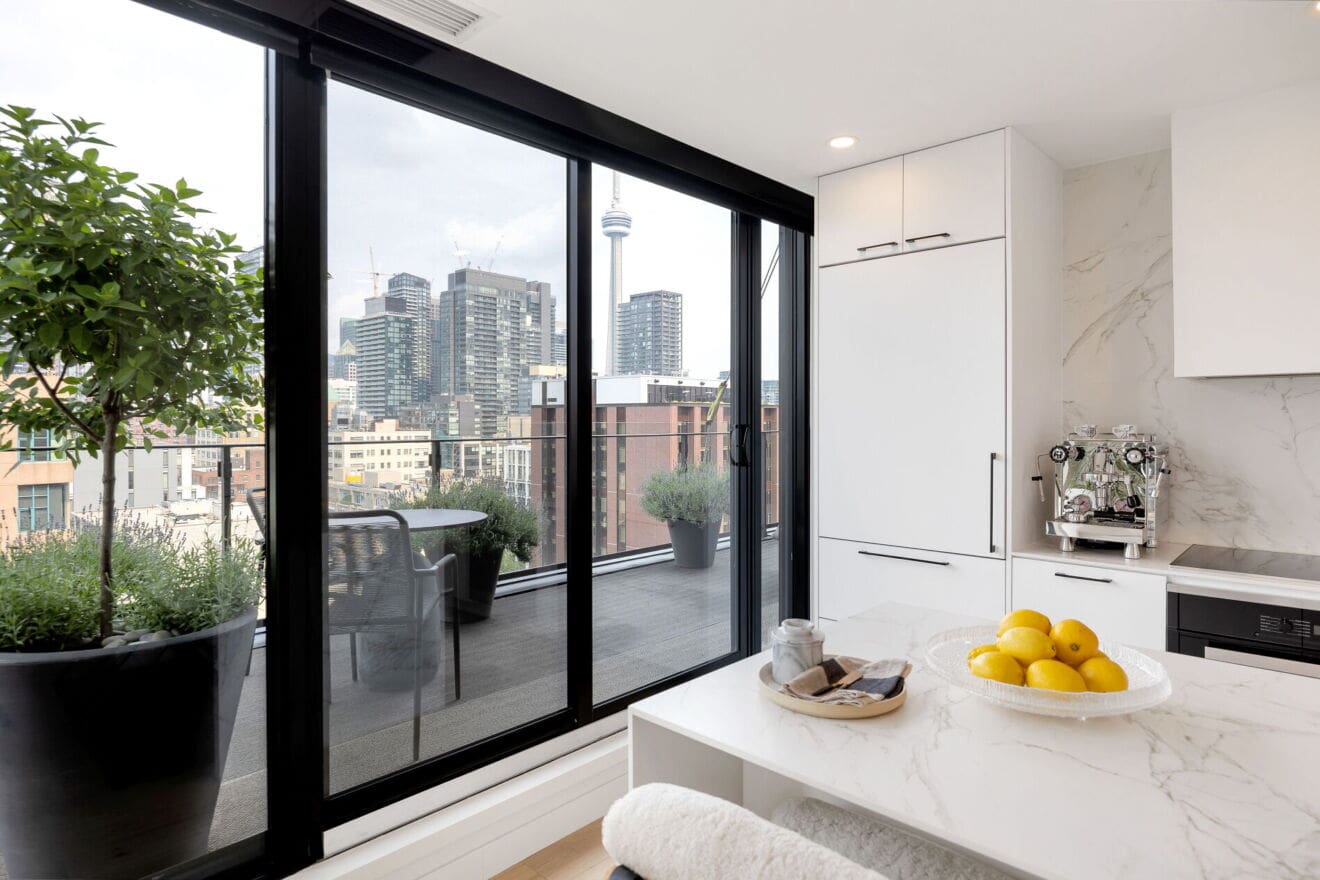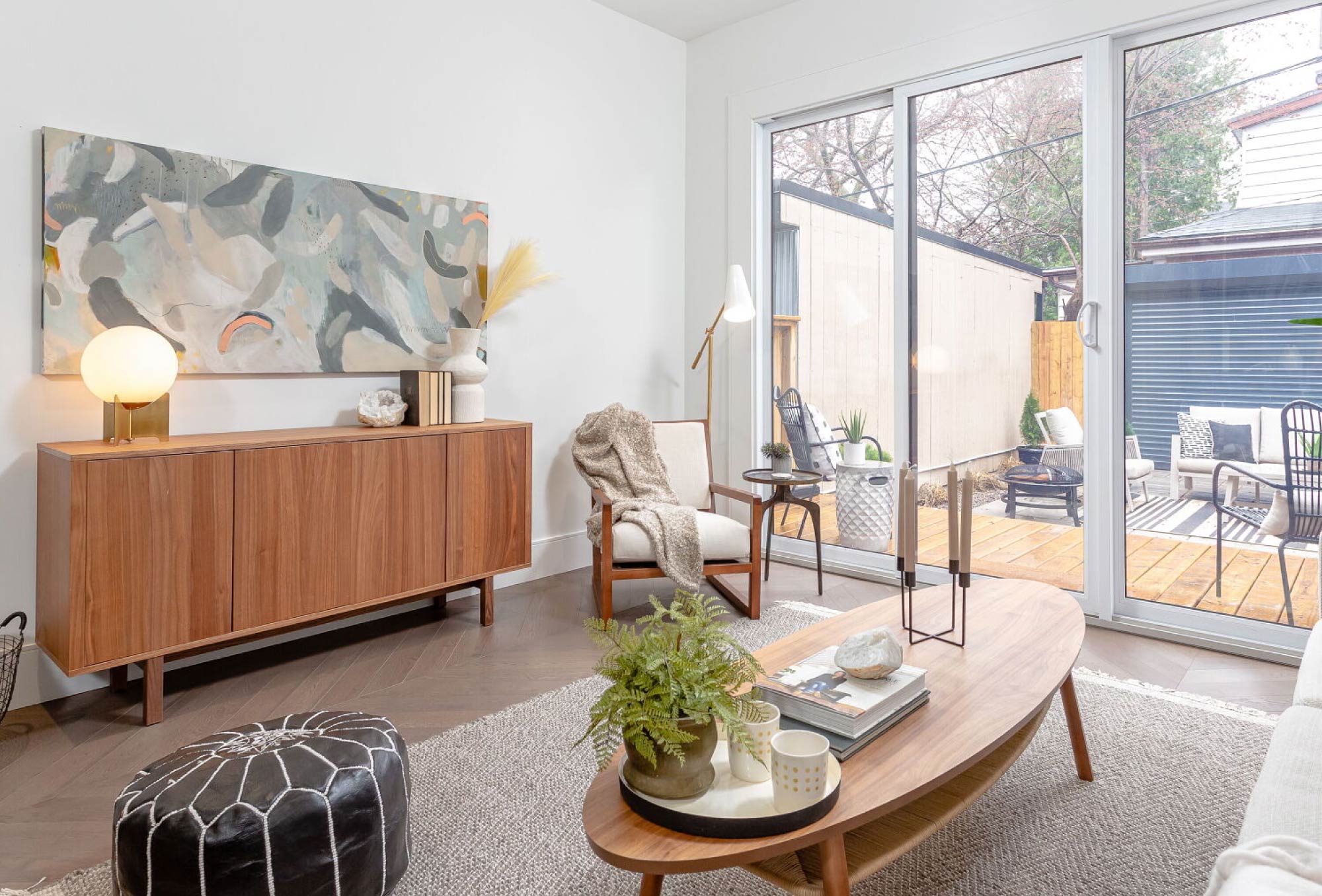




There are very few homes I’d tell someone they should absolutely never buy.
But there is one type that always makes me nervous: A home that forces you to compromise on something you can’t change.
I see buyers get this backwards all the time.
They walk into a property and immediately focus on the kitchen. The floors. The bathrooms. The appliances. The paint colour.
Meanwhile, I’m usually looking at completely different things.
- Where is it located?
- What’s behind it?
- How does the lot sit?
- Where does the natural light come from?
- Does the layout actually work?
- Is it in the school district they need?
And perhaps most importantly: What will the next buyer think about it when we eventually have to sell?
Because you can change almost anything about a home. But some things you’re buying forever.
Start With What You Can’t Change
An ugly kitchen can become a beautiful kitchen. Bad floors can be replaced. A dated bathroom can be renovated. Paint might be the easiest problem in real estate.
But you can’t renovate your way into a different neighbourhood.
You can’t move the highway behind your backyard. You can’t create a south-facing view if your condo faces directly into another building. You can’t make a narrow lot wider.
And if your children need to attend a particular school, the most beautiful house three streets outside the catchment still doesn’t solve the problem.
That’s why I encourage buyers to divide what they’re looking for into two categories:
Preferences and non-negotiables.
Understanding the difference can completely change the way you shop for a home.
Your Non-Negotiable List Should Be Short
This is important.
If everything is a non-negotiable, nothing is.
I don’t think buyers need a list of fifteen things a property absolutely must have. In fact, that’s usually a recipe for spending months searching for a home that may not exist.
I’d rather identify the three or four characteristics that genuinely determine whether a property works for your life.
Maybe that’s location. Maybe it’s school district. Maybe you absolutely need three bedrooms. Maybe natural light is incredibly important to you. Maybe you need outdoor space.
Those are legitimate priorities. But once we’ve identified them, everything else can be evaluated differently.
Learn To Recognize A Solvable Problem
Some of the best purchases I’ve seen clients make initially looked imperfect.
- The kitchen was dated.
- The floors weren’t their style.
- The landscaping needed work.
- The lighting was terrible.
But the underlying property was excellent.
- Great street.
- Good lot.
- Functional layout.
- Strong natural light.
- The right neighbourhood.
Those are the homes where I start asking different questions.
Can we change what we don’t like? What will it cost? Does the purchase price leave enough room to do it?
And will that investment improve both the experience of living there and the eventual resale value?
Those are solvable problems. The things you can’t change deserve a completely different level of scrutiny.
Don’t Let Beautiful Finishes Distract You From A Bad Fit
The opposite happens too.
I’ve watched buyers fall in love with a property because it shows beautifully.
New kitchen. Beautiful bathrooms. Perfect furniture. Great lighting. Everything photographs incredibly well.
And then you start looking beneath the finishes.
The location isn’t quite right.
The layout creates problems for how they’ll actually live.
The backyard backs onto something they’ll eventually hate.
The condo has an exposure they’ll never be happy with.
Or the commute they convinced themselves was manageable becomes something they’ll have to deal with five days a week.
That’s when I think buyers need someone willing to strip the emotion away for a moment and ask:
What are we actually buying?
Because you’re not really buying somebody else’s kitchen.
You’re buying the location, the land, the footprint, the exposure, the layout and all the things that will still be there long after today’s finishes have gone out of style.
Think About The Buyer After You
There’s another reason I’m particularly careful about permanent compromises.
Eventually, you’re probably going to sell.
The compromise you’re willing to overlook today may be the exact same objection the next buyer has five or ten years from now.
That doesn’t mean you should buy a home purely for resale. You shouldn’t. You’re the one who has to live there.
But I do want to understand how we’re eventually going to sell the property too. If we’re buying something with an obvious objection, I want to know we’re being compensated for it in the purchase price.
A property backing onto a busy road may still be a perfectly good purchase.
A condo with an unusual layout might still work.
A home on a smaller lot may offer tremendous value.
The issue isn’t that every imperfection makes a property bad.
The issue is paying as though the imperfection doesn’t exist. That’s a very different thing.
Some Compromises Are Worth Making
No home is perfect. And waiting for one usually doesn’t lead to better decisions.
The goal isn’t to eliminate compromise. It’s to compromise intelligently.
I would much rather see a buyer accept an outdated kitchen in the neighbourhood they love than buy the perfect kitchen somewhere they don’t actually want to live.
I’d rather see someone replace flooring than compromise on natural light if natural light genuinely affects how they experience a home.
I’d rather have a conversation about renovating a bathroom than try to convince someone they’ll eventually get used to a location that doesn’t work for their life.
This is where knowing your priorities before you start shopping becomes incredibly valuable.
When the right property appears, you’re not trying to decide what matters while standing in the kitchen during a 30-minute showing.
You’ve already decided.
My Take
Before you start looking at homes, forget about dream kitchens and beautiful finishes for a minute.
Figure out the three or four things you genuinely cannot compromise on. Those are the things worth being stubborn about. Everything else deserves a conversation.
Can we change it? What will it cost? Does the price account for it? Will fixing it create value? And will the property still make sense when it’s eventually time to sell?
The best homes I’ve helped clients buy haven’t always been perfect.
But they’ve gotten the important things right.
Because when you’re buying a home, the smartest compromises are usually the ones you can eventually change.
It’s the ones you can’t change that deserve the most attention.
Recommended Reading
Many Toronto Buyers Are Still Acting Like It’s January
Most Homeowners Are Asking the Wrong Question

TRB Education Hub
Get the real estate resources you need to succeed. Visit our education hub for market insights, guides, podcasts and more.