


I hear people describe homes as “good investments” all the time.
Usually what they mean is: “I think this property will go up in value.”
Obviously, appreciation matters.
But I think that’s an incomplete way of evaluating one of the largest purchases most people will ever make.
When I’m helping someone assess a property, I’m looking at much more than what I think it might be worth five or ten years from now.
One of the questions I’m always asking is: Will people still want to buy this when we’re eventually ready to sell it?
That’s a very different question. And in my experience, it’s one of the most important ones.
A Good Price Doesn’t Automatically Make A Good Investment
Buyers understandably love finding value. So do I.
But a property can look like a great deal today and still become a difficult property to own—or sell—years from now.
Maybe the layout only appeals to a very specific buyer.
Maybe the carrying costs are already high and continuing to climb.
Maybe we’re paying a significant premium for finishes that won’t retain that value.
Maybe there’s an obvious resale objection we’re overlooking because we love everything else about the home.
That’s why I’m careful about evaluating a property based solely on price.
Sometimes a property is inexpensive for a reason.
The question is whether that reason matters to you today—and whether it will matter to the next buyer tomorrow.
Scarcity Matters
Some of the strongest real estate purchases have something that’s genuinely difficult to replace.
- A great street.
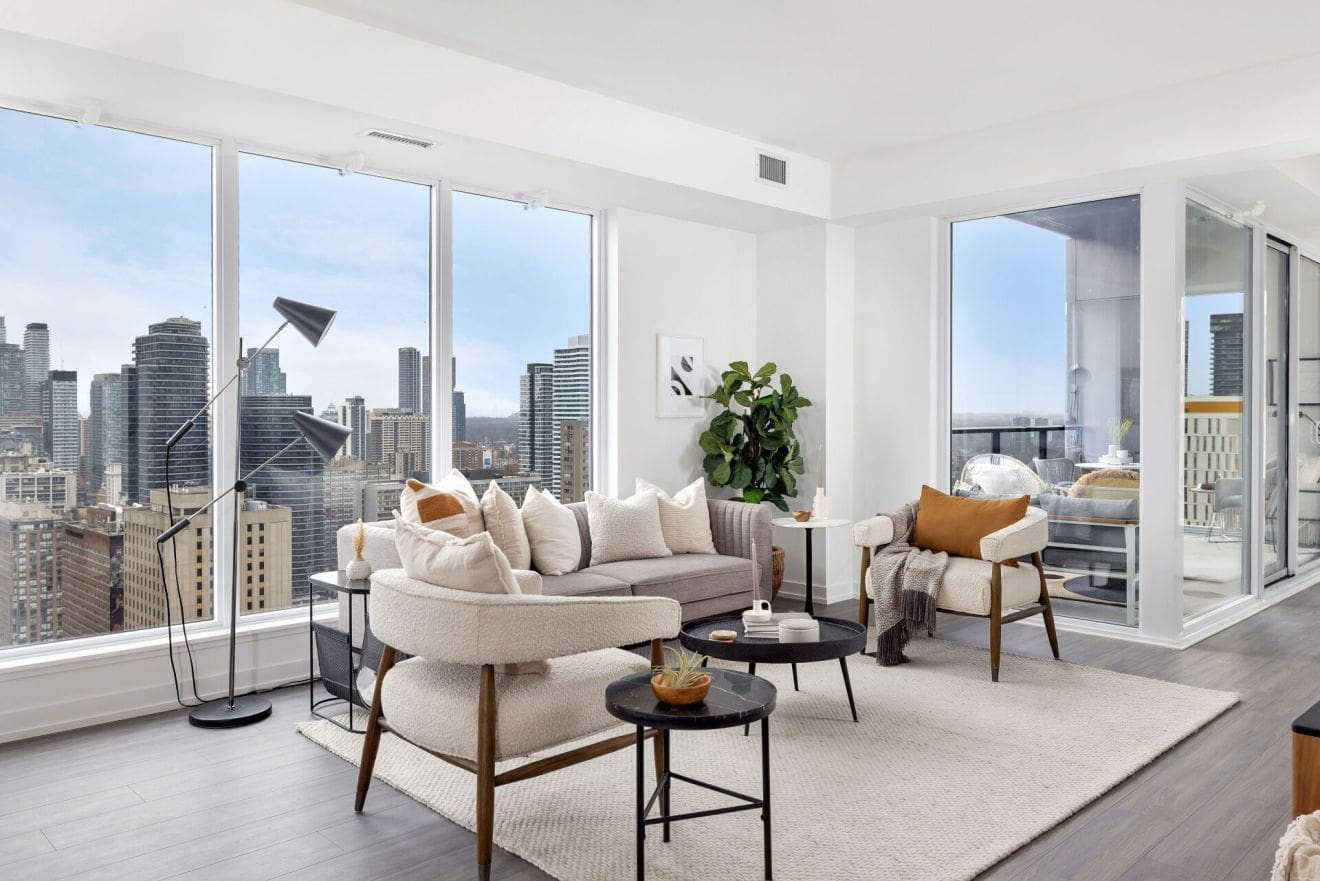
- An exceptional view.
- A rare floor plan.
- A large condo in a building where very few larger suites ever become available.
- A great school district.
- An unusually good lot.
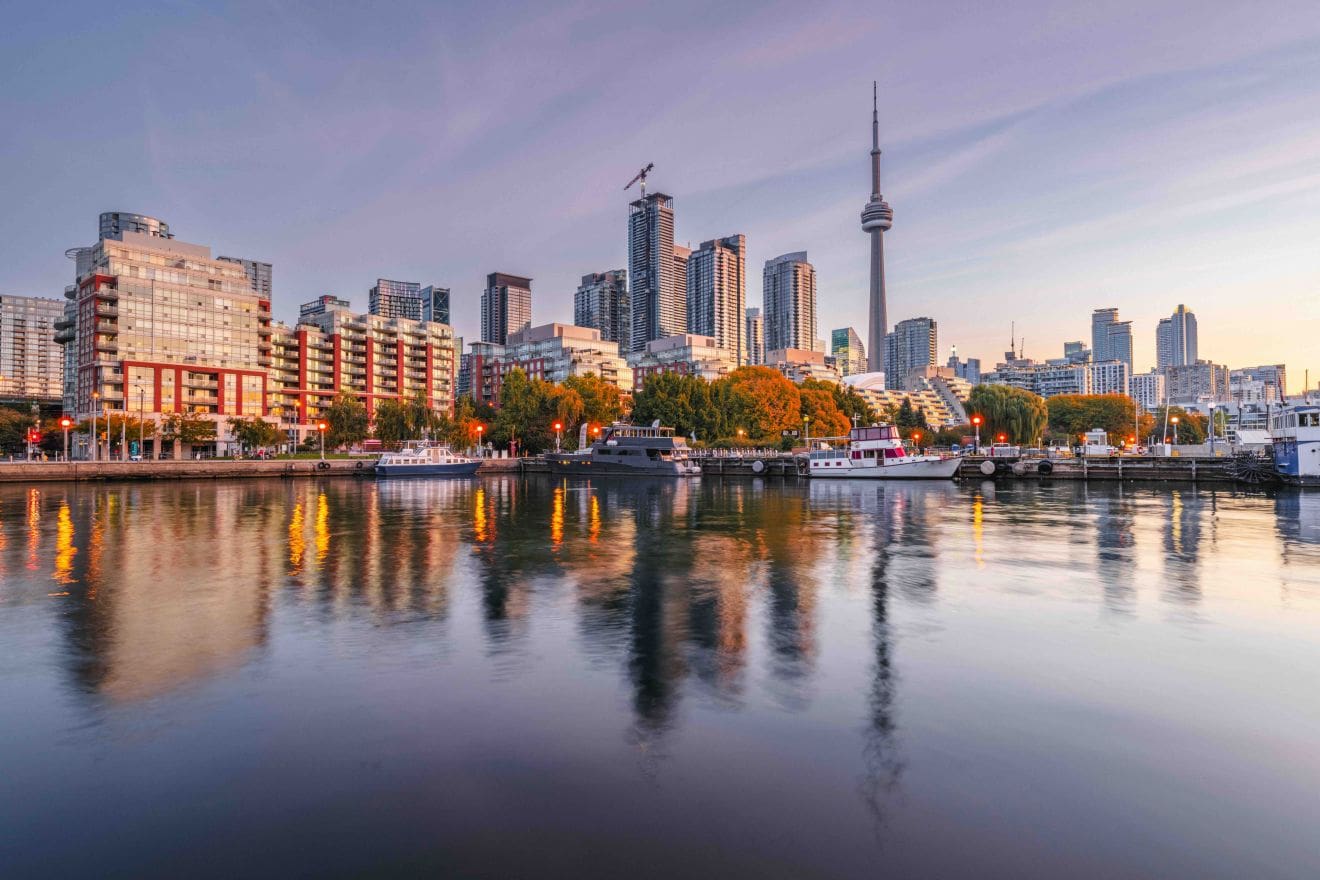
- A piece of land in a neighbourhood where they’re obviously not making any more of it.
Scarcity doesn’t guarantee appreciation. Nothing does.
But when a property offers something buyers consistently value and can’t easily find elsewhere, that can help protect its desirability over time.
And desirability matters enormously when it eventually comes time to sell.
So Does Liquidity
This is something buyers don’t talk about nearly enough.
I want to understand how large the future buyer pool is likely to be. Not tomorrow. Five or ten years from now.
If circumstances change and you need to sell, will there be a meaningful group of buyers who could reasonably want what you own?
A highly unusual property can be incredible for the right person.
But if only a tiny percentage of buyers would ever consider it, that’s something we need to understand before purchasing it.
That doesn’t automatically mean we shouldn’t buy. It may simply affect what I’m comfortable paying. The best investments aren’t always the properties everybody wants.
But I do want to understand who the next buyer is likely to be.
Pay Attention To What You’re Paying A Premium For
Two properties can have the same asking price and offer completely different long-term value.
One may command a premium because of something permanent:
- Location.
- View.
- Lot.
- Ceiling height.
- Exposure.
- Floor plan.
- Building quality.
The other may command the same premium because it has an expensive kitchen and beautiful furniture. Those aren’t equivalent.
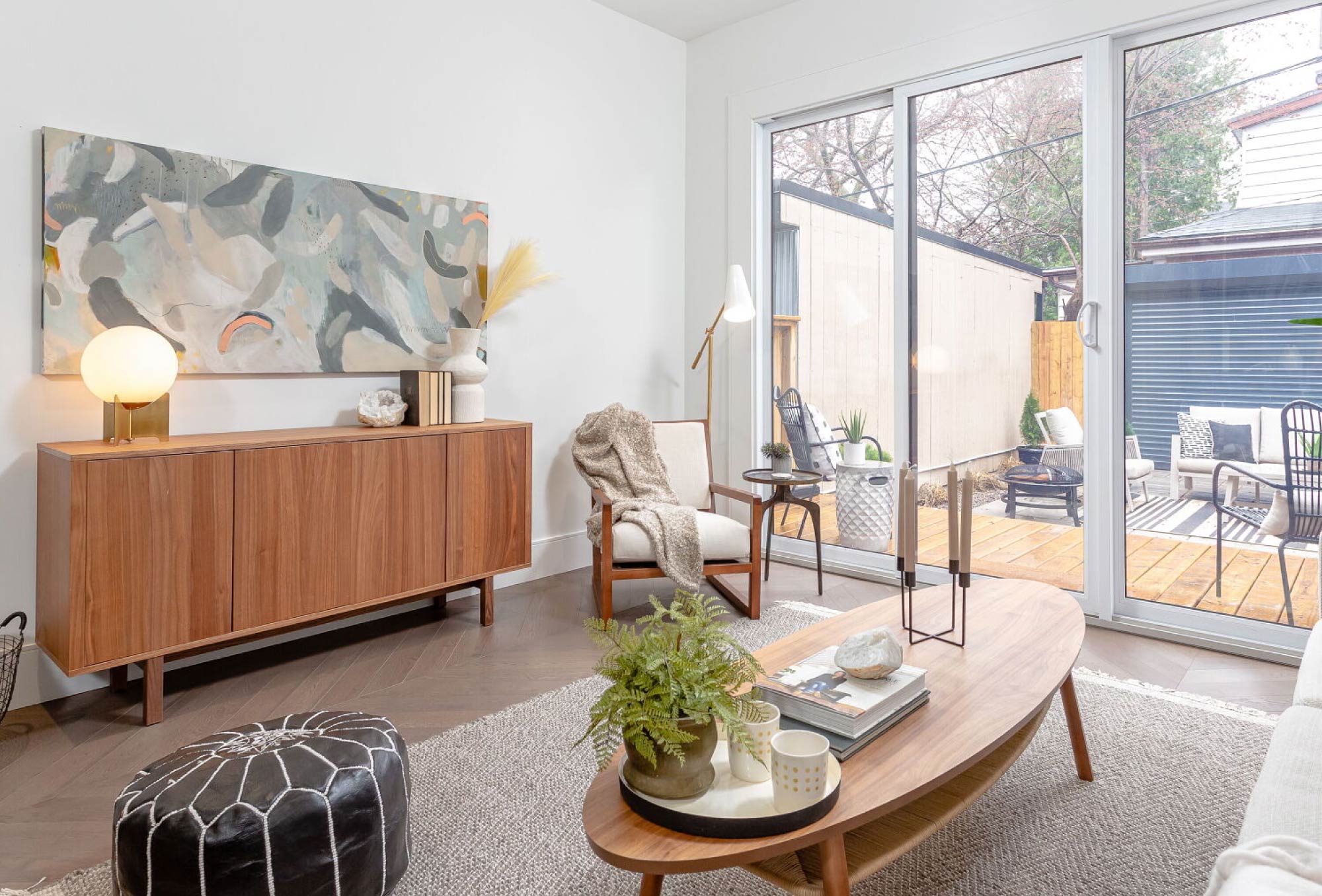
Finishes depreciate. Styles change. Appliances age. The things that can’t easily be recreated tend to be much more interesting to me.
That’s why, when clients are deciding whether to stretch their budget, I want to understand exactly what we’re stretching for.
Paying more isn’t necessarily a bad decision. Paying more for the wrong things can be.
But Your Home Isn’t Just An Investment
There’s another side of this conversation that I think gets lost whenever we talk about homes purely as financial assets.
You have to live there.
If you’re buying your principal residence, your return isn’t measured exclusively on a spreadsheet.
Maybe having an extra bedroom means you don’t need to move when your family grows.
Maybe buying in the right neighbourhood gives you a ten-minute commute instead of an hour.
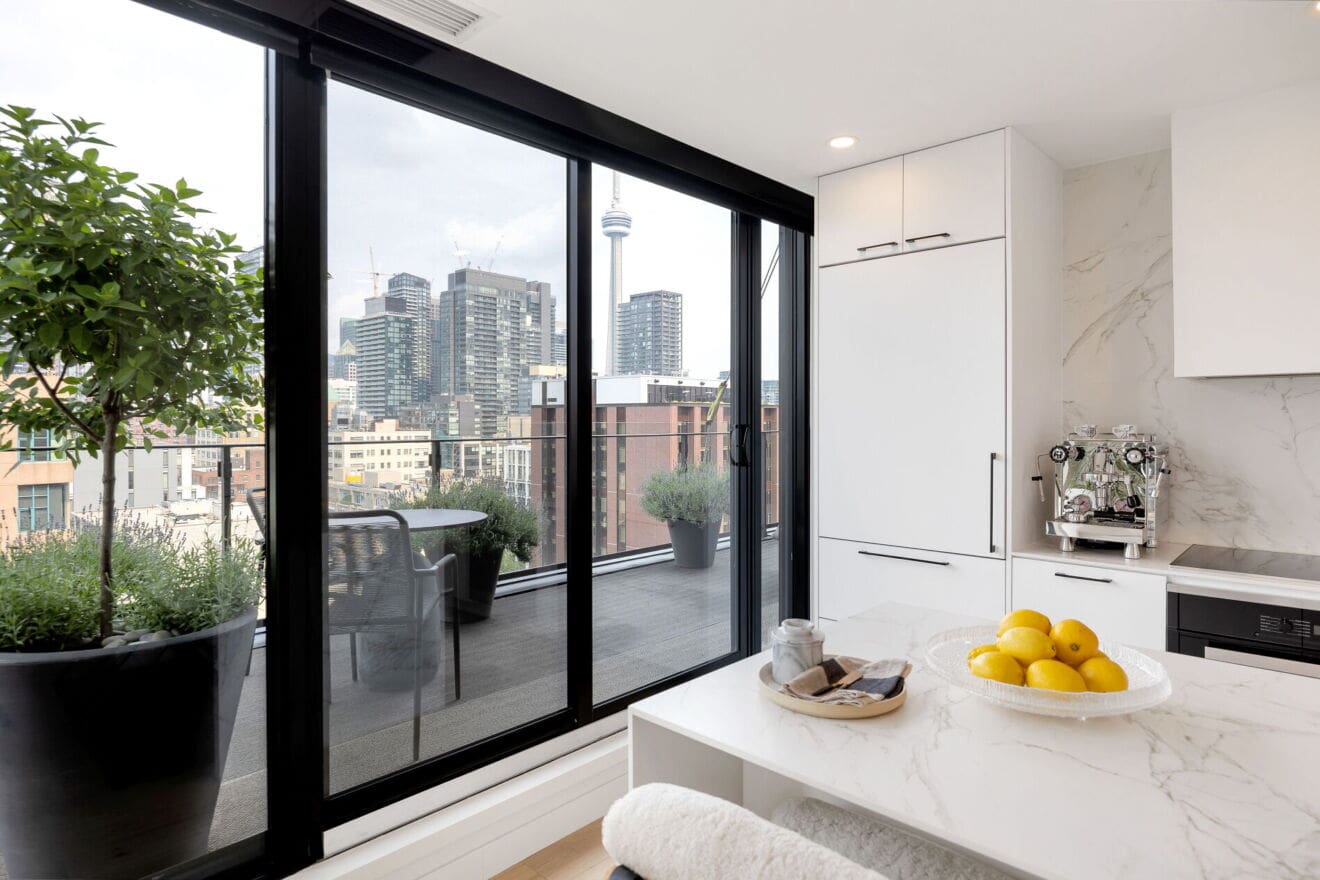
Maybe the terrace you paid extra for becomes the place you spend every summer evening.
Maybe buying a larger condo allows you to comfortably remain downtown for another ten years instead of moving somewhere you don’t really want to live.
Those things have value too.
They simply don’t appear in the eventual sale price.
The Cost Of Moving Matters Too
This is another reason I like properties that give owners room to grow.
Buying and selling real estate is expensive. Land transfer tax. Legal fees. Moving costs. Real estate fees when you eventually sell.
And, perhaps most importantly, the uncertainty of having to find another property that works.
If spending a little more today allows you to comfortably stay in a home for eight years instead of outgrowing it in three, that can be an excellent financial decision even if the larger property doesn’t appreciate at a dramatically higher rate.
Sometimes the best investment isn’t the property with the theoretically highest return.
It’s the property you don’t have to replace too quickly.
Look For Multiple Ways To Win
This is ultimately how I think about a good real estate purchase. I don’t want the entire strategy dependent on one thing happening.
I don’t want to say: “This only makes sense if prices go up 20%.”
I’d much rather buy something that gives us multiple ways to win.
You enjoy owning it. You can comfortably afford it. It works for your life for a reasonable period of time. It has characteristics that help protect its desirability.
And when it eventually comes time to sell, there should be another buyer who understands why you bought it in the first place.
Get those things right and appreciation becomes part of the return.
It doesn’t have to be the entire reason for buying.
My Take
When clients send me a property they’re excited about, one of the first things I’m thinking isn’t simply: “Should we buy this?”
I’m also thinking: “How are we eventually going to sell it?”
Not because I want clients making today’s decisions entirely around some hypothetical future buyer.
The home still has to work for them. But I think the best purchases get both sides right. They improve your life while you own them. They make financial sense.
And they give you a strong, desirable asset when it’s eventually time to move on.
That’s what I consider a good real estate investment.
A property that gives you more than one way to win.
Recommended Reading
Why Some Toronto Condos Still Sell Instantly While Others Sit for Months
Many Toronto Buyers Are Still Acting Like It’s January

TRB Education Hub
Get the real estate resources you need to succeed. Visit our education hub for market insights, guides, podcasts and more.