



If you looked only at Toronto’s real estate prices in September 2026, you’d probably conclude that the market was continuing to weaken.
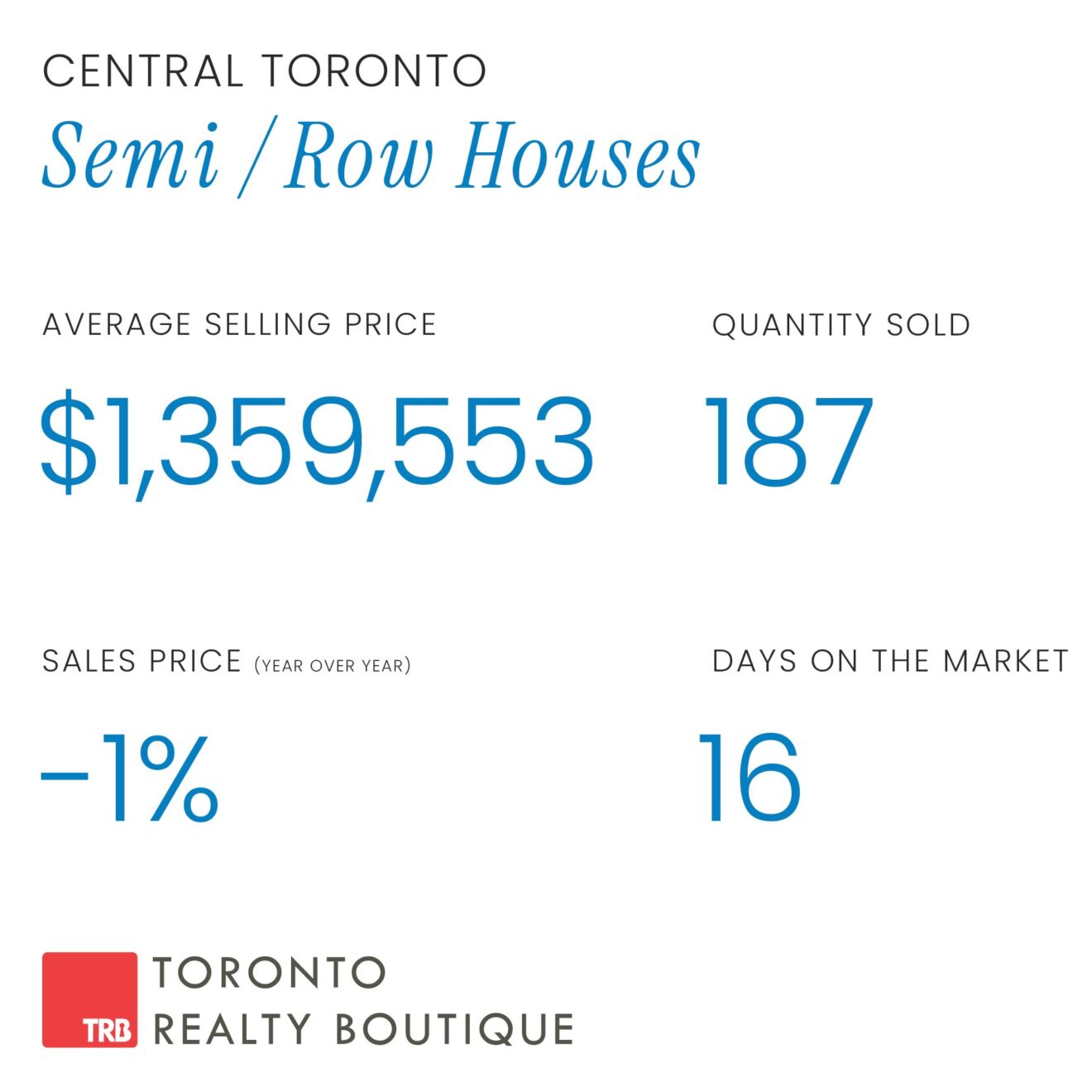
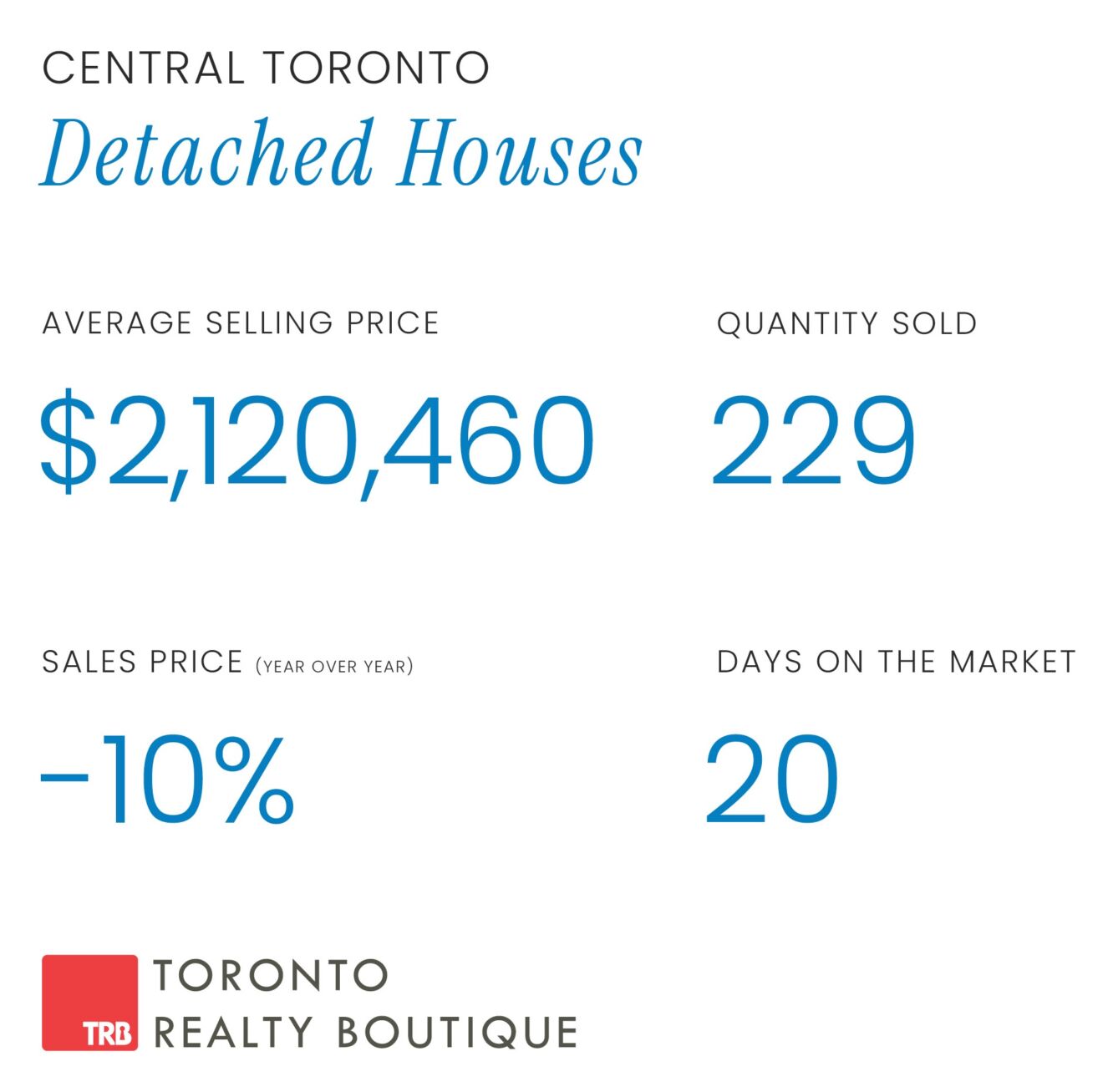
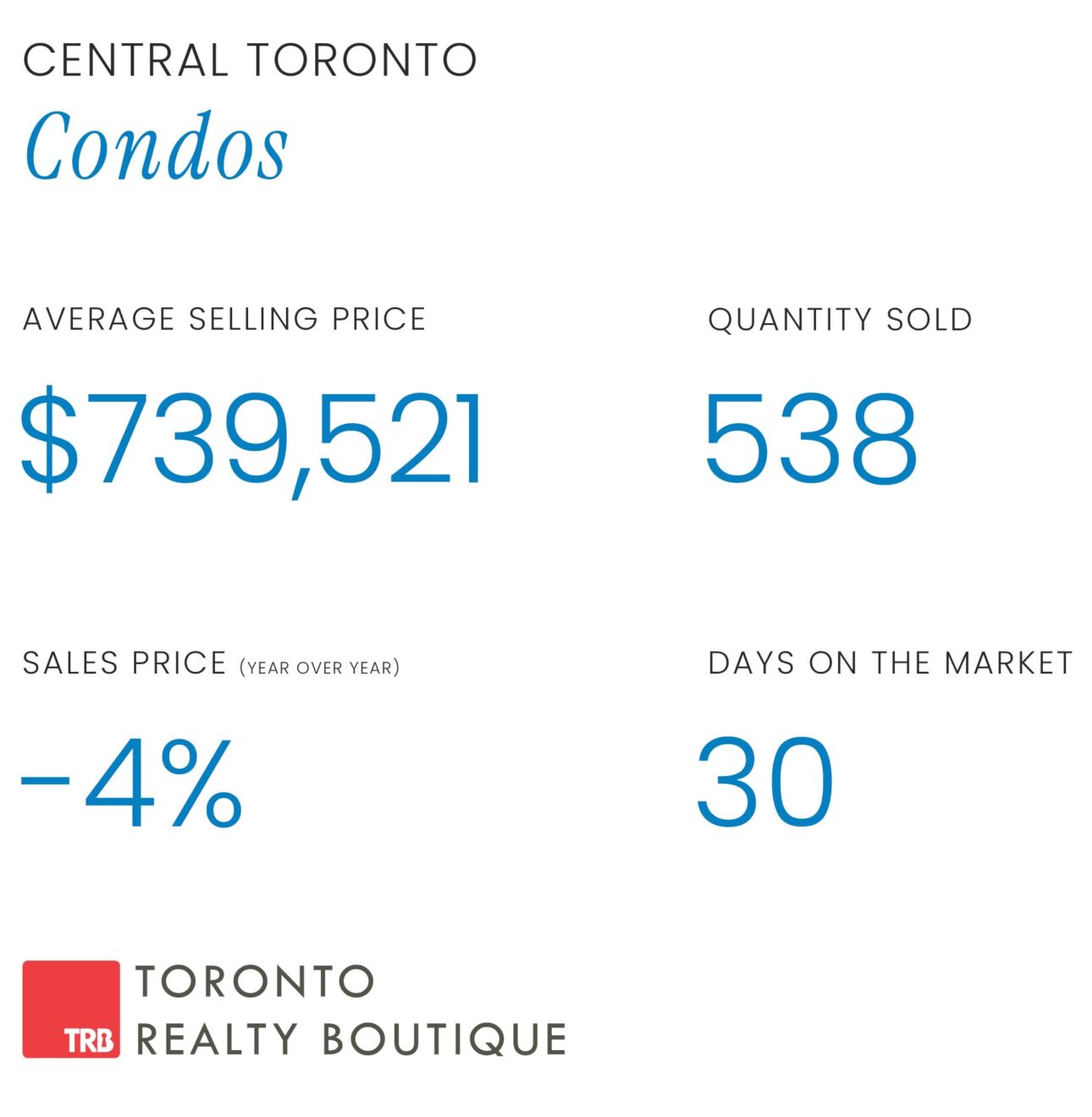
Detached home prices were down 10%. Condo prices declined 4%. And semi-detached prices were essentially flat.
On the surface, that’s a reasonable conclusion.
But there’s something happening underneath those numbers that I believe deserves more attention.
Fewer homes are coming onto the market. In some segments, buyers are making decisions faster. And we’re beginning to see competition return where supply has become particularly limited.
It’s an important distinction because real estate prices often reflect what has already happened, while changes in inventory and buyer activity can provide clues about where the market may be heading.
And right now, those indicators are telling a more interesting story than the headlines suggest.
Here’s what I’m watching across Toronto’s detached, semi-detached and condominium markets.
Semi-Detached Homes: Are We Seeing the First Signs of a Market Shift?
Of all the property types I follow, Toronto’s semi-detached market has my attention right now.
In September, new listings fell an extraordinary 61% compared with the same month last year.
And this isn’t simply a one-month anomaly.
For the first nine months of 2026, new semi-detached listings were down nearly 47%.
Meanwhile, September sales increased 15%, and homes spent an average of just 16 days on the market.
Consider what those numbers mean together:
- Significantly fewer homes available for buyers to choose from.
- More transactions taking place.
- Homes spending less time on the market.
That’s the kind of combination that can begin shifting negotiating power back toward sellers.
I’m already seeing renewed competition for desirable semi-detached homes firsthand, particularly in neighbourhoods where buyers have limited options.
That doesn’t mean every semi-detached home will attract multiple offers. And it certainly doesn’t mean buyers are abandoning their budgets.
But when a well-maintained, appropriately priced home comes onto the market in a desirable location, buyers are paying attention.
My take: I believe we’re getting closer to seller-favourable conditions for well-positioned semi-detached homes, even while average prices remain relatively flat.
For buyers, that means understanding the value of a property before competition develops.
For sellers, it means recognizing that limited competition can be an advantage — but only when the pricing and presentation strategy is right.
Toronto Condo Market: A More Encouraging Story Than the Headlines Suggest
Toronto’s condominium market continues to face challenges.
Prices remain under pressure, buyers have considerable choice in many buildings, and sellers are still competing for attention.
But the inventory numbers are becoming more encouraging.
September new condo listings were down 10% year over year.
More importantly, new listings for the first nine months of 2026 declined 20%, while sales increased 2%.
That represents an improving balance between the number of properties entering the market and the number being purchased.
It hasn’t translated into a sustained recovery in prices, but it’s a development worth watching.
Larger Condos Are Attracting Attention
There’s another trend I find particularly interesting.
More than 54% of condos sold in September had two bedrooms or more.
I’m seeing growing interest from buyers looking for larger, more functional suites — including people who might otherwise have considered a semi-detached home but are frustrated by the limited selection.
For these buyers, the appeal isn’t simply condominium ownership.
It’s finding enough space to live comfortably, work from home, entertain and potentially accommodate changing needs over time.
That creates an important distinction within the condo market.
A well-designed two- or three-bedroom suite with a functional layout, good natural light and usable outdoor space may appeal to a very different buyer than a small investor-oriented unit.
And those differences matter when evaluating both current value and future resale potential.
Buyers Are Making Decisions Faster
Another encouraging indicator is the change in days on market.
In August, Toronto condos spent an average of 41 days on the market.
In September, that fell to 30 days.
One month doesn’t establish a lasting trend, but it’s another indication that buyers may be making decisions more quickly.
My take: I don’t believe we’re at a broad condominium market recovery yet.
However, inventory is gradually being absorbed, and I believe larger, well-designed suites are worth watching closely.
For buyers with a longer-term perspective, this may be an opportunity to evaluate properties that would have attracted considerably more competition in a stronger market.
The key is understanding which properties represent genuine value — not simply which ones have experienced the largest price reductions.
Detached Homes: Looking Beyond the 10% Price Decline
A 10% decline in average selling price is the kind of statistic that attracts headlines.
But it doesn’t necessarily mean every detached home in Toronto has lost 10% of its value.
Average selling prices can be influenced by the mix of properties that transact in a particular month.
For example, a change in the number of high-end luxury homes selling can significantly affect the overall average.
September also got off to a slower start following the late Labour Day weekend, which may have influenced activity.
That’s why I prefer to look beyond one month’s average price movement.
What the Year-to-Date Numbers Tell Us
For the first nine months of 2026:
- New detached listings declined 5.6%.
- Detached home sales increased 2.1%.
Once again, we’re seeing fewer properties coming onto the market relative to the number being purchased.
That’s an improving supply-and-demand relationship, even if it hasn’t yet translated into stronger average prices.
The detached market remains complicated, particularly at the luxury end, where buyers can be highly selective and properties may require more time to sell.
Location, condition, price point and the amount of competing inventory all play a significant role.
My take: I’m not expecting detached prices to suddenly surge.
But improving inventory absorption is something I’ll be watching closely as we move toward the end of 2026.
For homeowners considering selling, the most important question isn’t simply what Toronto’s average detached price is doing.
It’s how buyers are responding to properties comparable to yours, in your neighbourhood, at your price point.
How Could Interest Rates Affect Toronto Real Estate?
The Bank of Canada’s next interest rate announcement is scheduled for October 28, 2026.
Interest rates remain an important consideration for both buyers and sellers, particularly when it comes to affordability and confidence.
I don’t have a crystal ball, but given the current economic environment, I don’t believe raising interest rates would be the right move.
It’s also important to distinguish between variable and fixed mortgage rates.
Variable mortgage rates are more directly influenced by changes to the Bank of Canada’s policy rate, while fixed mortgage rates are generally more sensitive to movements in bond yields.
That means a Bank of Canada announcement doesn’t necessarily translate into an equivalent change in every mortgage rate.
And while lower borrowing costs can improve affordability, they can also bring more buyers back into the market.
The price you pay for a property matters just as much as the interest rate on your mortgage.
That’s why I encourage buyers to evaluate the complete financial picture rather than making their decision based solely on where they believe rates are heading.
What Does September’s Toronto Real Estate Market Mean for Buyers and Sellers?
One of the biggest mistakes people make when interpreting real estate statistics is assuming Toronto operates as one market.
It doesn’t.
The conditions facing someone purchasing a downtown condominium can be completely different from those facing someone competing for a semi-detached home in Leslieville or selling a detached property in Summerhill.
Even within the same neighbourhood, two properties can experience very different levels of demand.
If You’re Buying in Toronto
There are still excellent opportunities in today’s market, particularly in segments where inventory remains plentiful and sellers are open to negotiation.
But the opportunity isn’t necessarily the property with the largest discount from its asking price.
It’s the property where the price, condition, location and long-term value make sense for your circumstances.
And in tighter market segments, patience needs to be balanced with the ability to recognize a good opportunity when it appears.
Waiting for the market to deliver a perfect signal can sometimes mean missing the property that was right for you.
If You’re Selling a Toronto Property
The market is rewarding thoughtful preparation and realistic pricing.
Buyers have access to more information than ever, and they’re comparing properties carefully.
That makes your competition particularly important.
Before bringing a property to market, I want to understand:
- Which comparable properties have recently sold, and at what prices?
- What competing listings will buyers be considering?
- Who is the most likely buyer for this property?
- What features will attract that buyer, and what objections might they have?
- How should we price, prepare and position the home to make the strongest possible first impression?
Those questions are the foundation of an effective listing strategy.
Because in today’s market, the goal isn’t simply to get your property listed. It’s to give buyers a compelling reason to choose it over the alternatives.
My Outlook for Toronto Real Estate Heading Into the End of 2026
September’s numbers reinforce something I’ve been watching for several months.
While prices continue to reflect a challenging market, the relationship between new listings and sales is beginning to improve in several property categories.
That doesn’t guarantee an imminent recovery.
But it’s an important development, particularly in segments where the supply of desirable homes is becoming more limited.
For me, the key indicators to watch over the coming months will be new listing activity, inventory absorption, days on market and whether renewed buyer competition begins translating into firmer prices.
The prices tell us where the market has been. The inventory numbers may be telling us where it’s heading.
And understanding that distinction can make a meaningful difference when deciding whether to buy, sell or wait.
Let’s Build Your Real Estate Strategy
At Toronto Realty Boutique, we don’t believe in applying the same strategy to every property or every client.
The market data tells us what’s happening.
Our job is to interpret what it means for your property, your goals and the decision you’re trying to make.
Whether you’re buying your first home, considering a move, selling an investment property or planning your next chapter, the right strategy starts with understanding your options.
Thinking about making a move in Toronto? Let’s Build Your Strategy
Romey Halabi is the Broker and Founder of Toronto Realty Boutique, a boutique real estate brokerage specializing in Toronto residential real estate, strategic property marketing and personalized buyer and seller representation.

TRB Education Hub
Get the real estate resources you need to succeed. Visit our education hub for market insights, guides, podcasts and more.